
Inspired by the work of Dr. Henry Cloud, Author of “Boundaries”
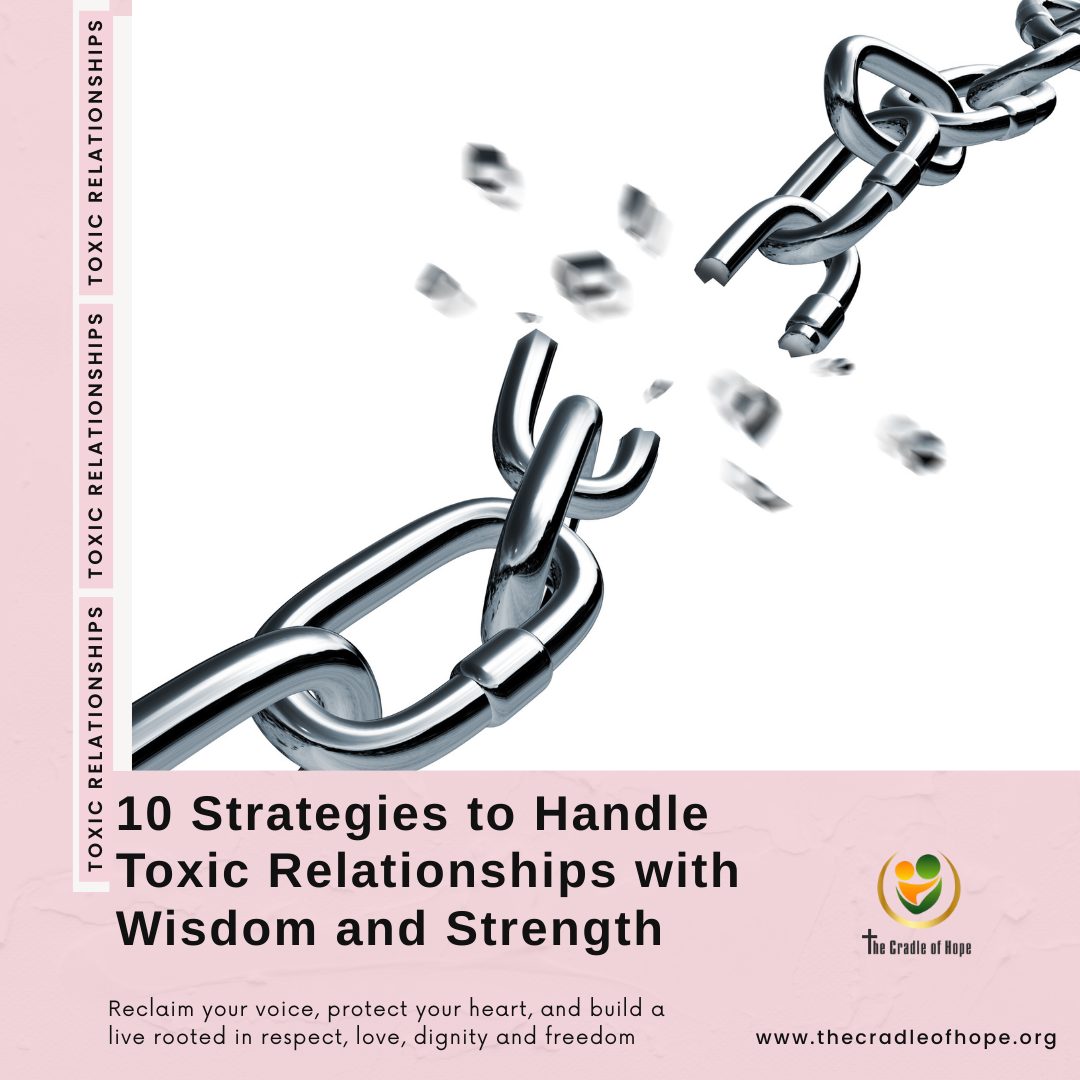
In every community and every walk of life, we encounter individuals who challenge our peace, our purpose, and even our identity. Whether it’s a relationship steeped in manipulation, a pattern of emotional burnout, or a recurring sense of being controlled, knowing how to navigate these dynamics is essential to protecting our dignity and well-being.
Internationally renowned psychologist Dr. Henry Cloud offers ten powerful strategies to equip us for these very moments: tools for building healthy boundaries and nurturing emotionally safe environments.
1. Understand the Laws of Boundaries
Boundaries aren’t about keeping people out—they’re about keeping your soul safe and protecting your energy. They define what belongs to you: your values, emotions, and responsibilities. When honoured, they create space for trust, clarity, and healthier connections.
2. Grow Your ‘No’ Muscle
Saying “no” is an act of strength, not selfishness. It protects our priorities and teaches others to respect our values. If saying yes means compromising what matters most to you, that’s your cue to say “no”—with grace and conviction.
3. Recognise Unsafe People
Not everyone who enters your life will help you thrive. Safe people uplift, nurture and help you grow. Unsafe people exploit, confuse, and drain you. Learning to discern the difference is key to emotional self-preservation.
4. Know When to Walk Away
Removing an unsafe person doesn’t always mean conflict. Sometimes, it’s simply about choosing your emotional health over dysfunction. The healthier you are, the less influence toxic people have over you.
5. Spot Gaslighting and Refuse to Shrink
Gaslighting causes you to doubt your reality. Gaslighting: Recognizing and Addressing Psychological Manipulation – The Cradle of Hope Journaling, talking to safe people, and setting boundaries can help you stand firm in your truth. You are not the problem; manipulation is.
6. Handle Narcissists with Clarity
Narcissists thrive on attention and control. Their charm can be disarming, but it’s critical to normalise your feelings and enforce healthy limits. Don’t wait for empathy; create safety for yourself instead.
7. Disrupt Controlling Patterns
Control thrives when we hand over our power. Regain your autonomy by shifting dependence, building outside support, and setting firm, diplomatic boundaries. You are not responsible for managing someone else’s mood.
8. Protect Your Energy from Entitlement
Entitlement leads people to demand your time, effort, or support without considering the boundaries you’ve set. Love says” yes” out of compassion, not guilt. When someone demands more than you can give, boundaries create the freedom for honest conversation and healthier expectations.
9. Resist the Victim Trap
Victimhood often masks control tactics. While you might want to rescue, the healthiest help is empowerment. Offer choices rather than attempting to solve the issue for them. Your role isn’t to fix someone, it’s to invite them to take responsibility.
10. Know the Difference Between Hoping and Wishing
People often confuse hope with wishful thinking, especially in relationships where change is promised but lacks evidence. True hope requires objective
reasons, such as someone actively seeking help or improving their skills. If there’s no progress, facing the facts can be beneficial, as it allows you to accept that the situation won’t improve and that you need to move forward.
Why This Matters
We hope to empower individuals to reclaim their voice, protect their hearts, and build lives rooted in respect, love, dignity and freedom.
Credit: This post draws wisdom from Dr. Henry Cloud, adapted from 10 Strategies for Dealing with Toxic People and the resources at Boundaries.Me